 |
 |
 |
 |
 |
 |
|
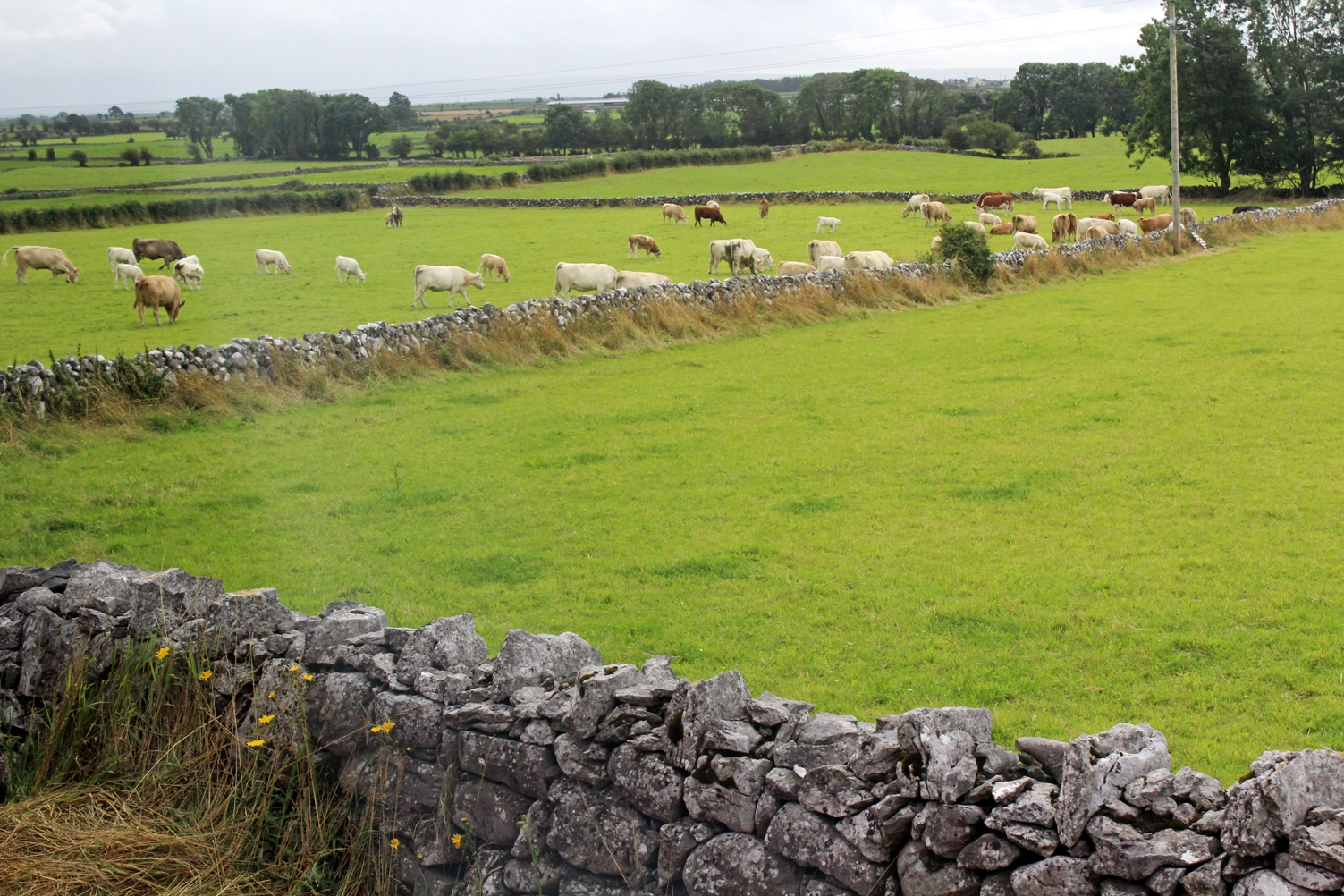
While on my bus ride to Galway, the first time, I saw these
characteristic stone walls that divide fields throughout Ireland. |
Cows with calves graze. |
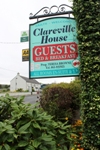
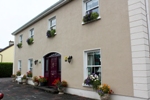
I had a very pleasant stay at Clareville House B&B in Tuamgarney, a
small village immediately south of the town of Scariff in County Clare.
It is east of Ennis, which is the city and County Seat of government.
|
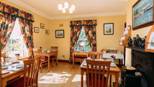
The rooms were cozy and old-fashioned but
charming. Should anyone considering going to the Annual Feakle Festival,
or would like a center for touring County Clare outside of busy, noisy
cities, I highly recommend it. |
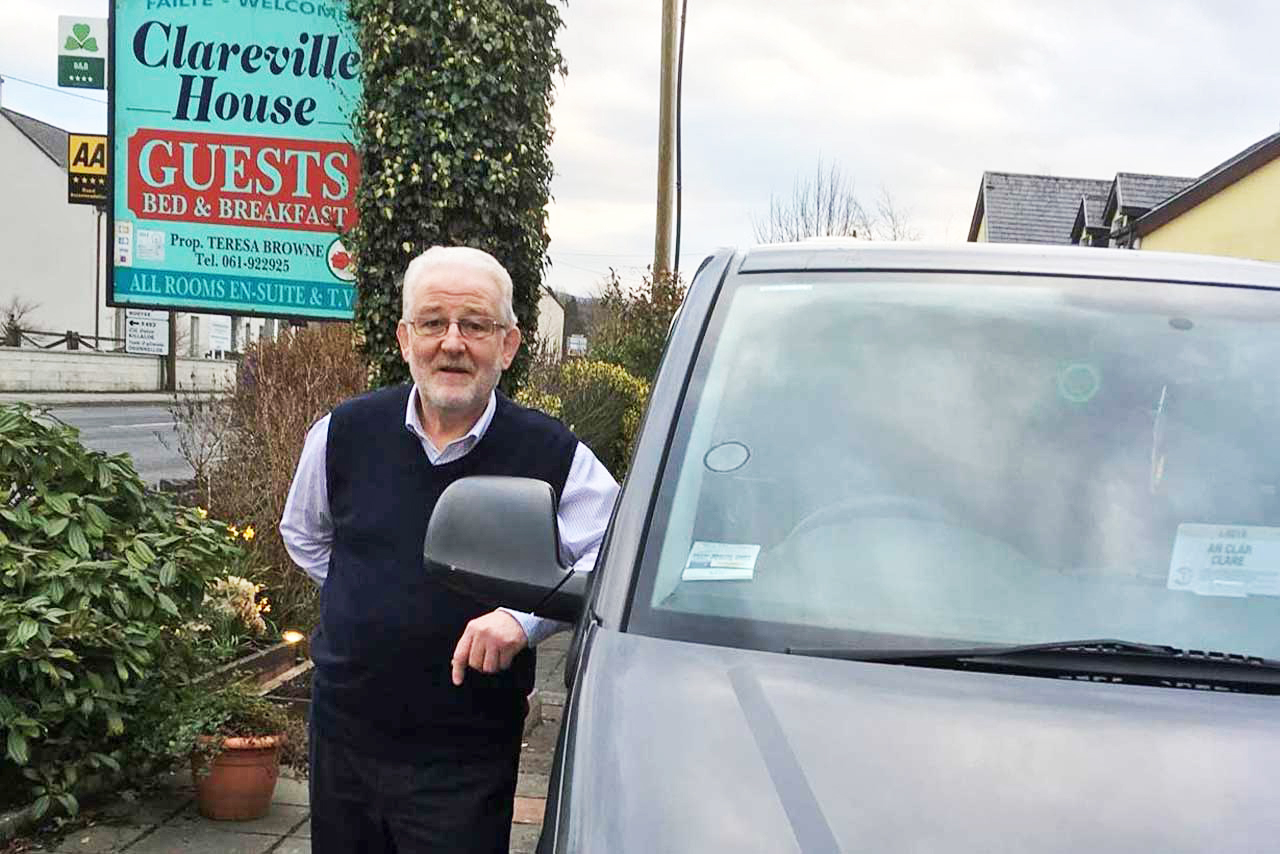
Derek Browne not only ran the guest house with his wife, he also
provided the area's taxi transportation. He put in long hours,
particularly with events as festivals when letting out late at night. As
in villages, he knows most everyone. A splendid fellow, always warm and
polite, he made my trip to Feakle and return trip to Galway possible. |
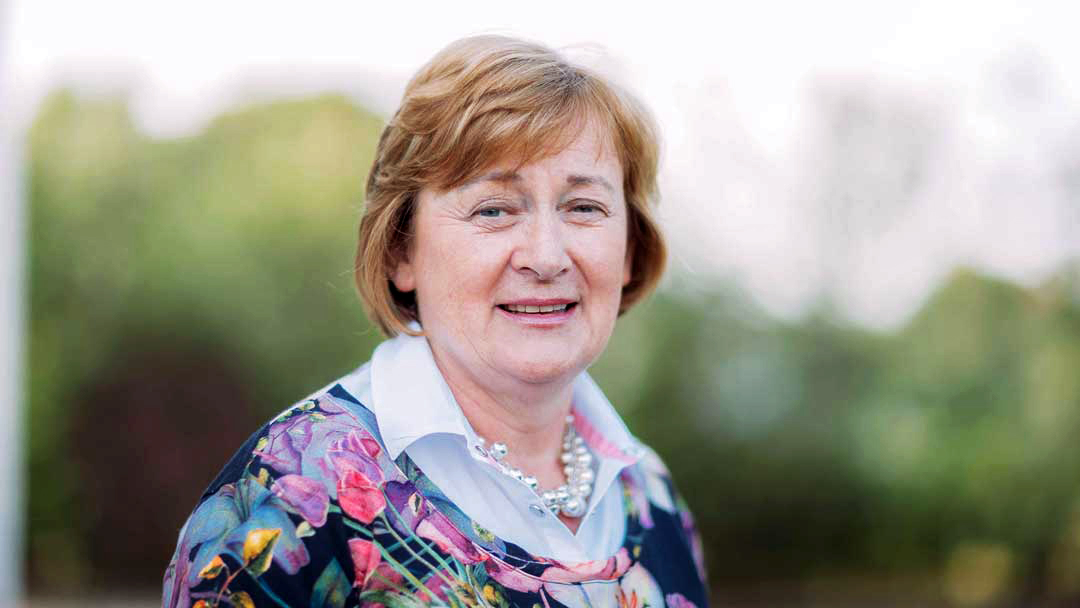
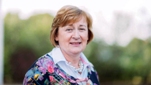
Teresa Browne was the proprietor of Clareville House, who also
prepared wonderful breakfasts. She ably ensured the comfort of guests. |
|
 |
 |
 |
 |
 |
 |
|
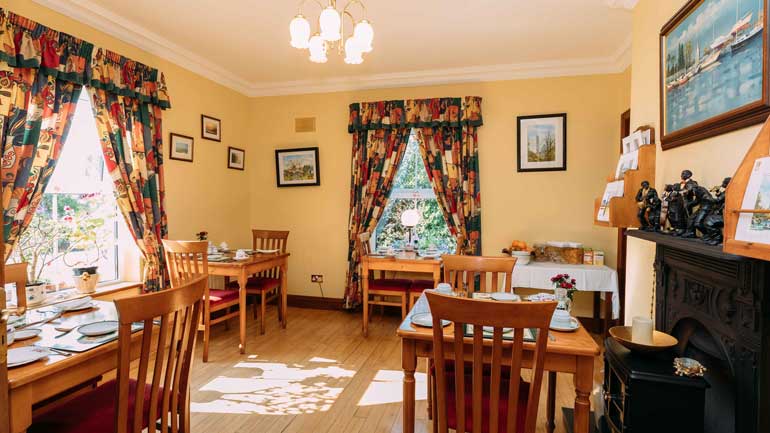
The dining room where we had breakfast.
I discovered that in Ireland, bacon refers to what we Americans call
Canadian bacon, i.e., medallions of cured pork loin, more hamlike,
versus our smoked belly strips.,
|
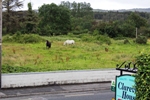
Looking outside my room, between raindrops, I saw these two horses.
|
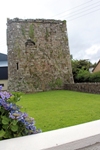
15th Century Tuamgraney
Castle was erected to protect nearby St. Cronan's church. A rather small
fort that seems more show than effective. |
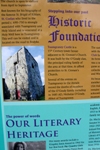
From a tourist guide. |
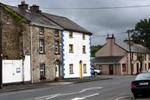
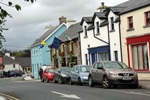
The road leading to
Scariff |
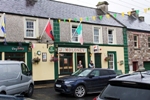
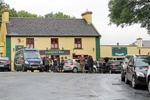
The building with flags is
the local restaurant and bar. Nuala's. Food was OK, somewhat plain. |
|
 |
 |
 |
 |
 |
The Feakle Festival consisted of daytime
workshops for students of various traditional instruments. as fiddle,
banjo, flute, whistle, concertina, and also voice. Concerts were in the
evening. The locations were bars, the church, and the community center.
Sessions also included poetry reading and Gaelic education. |
|
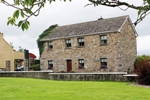
Like stone fences, Ireland has plenty of
stone for buildings. |
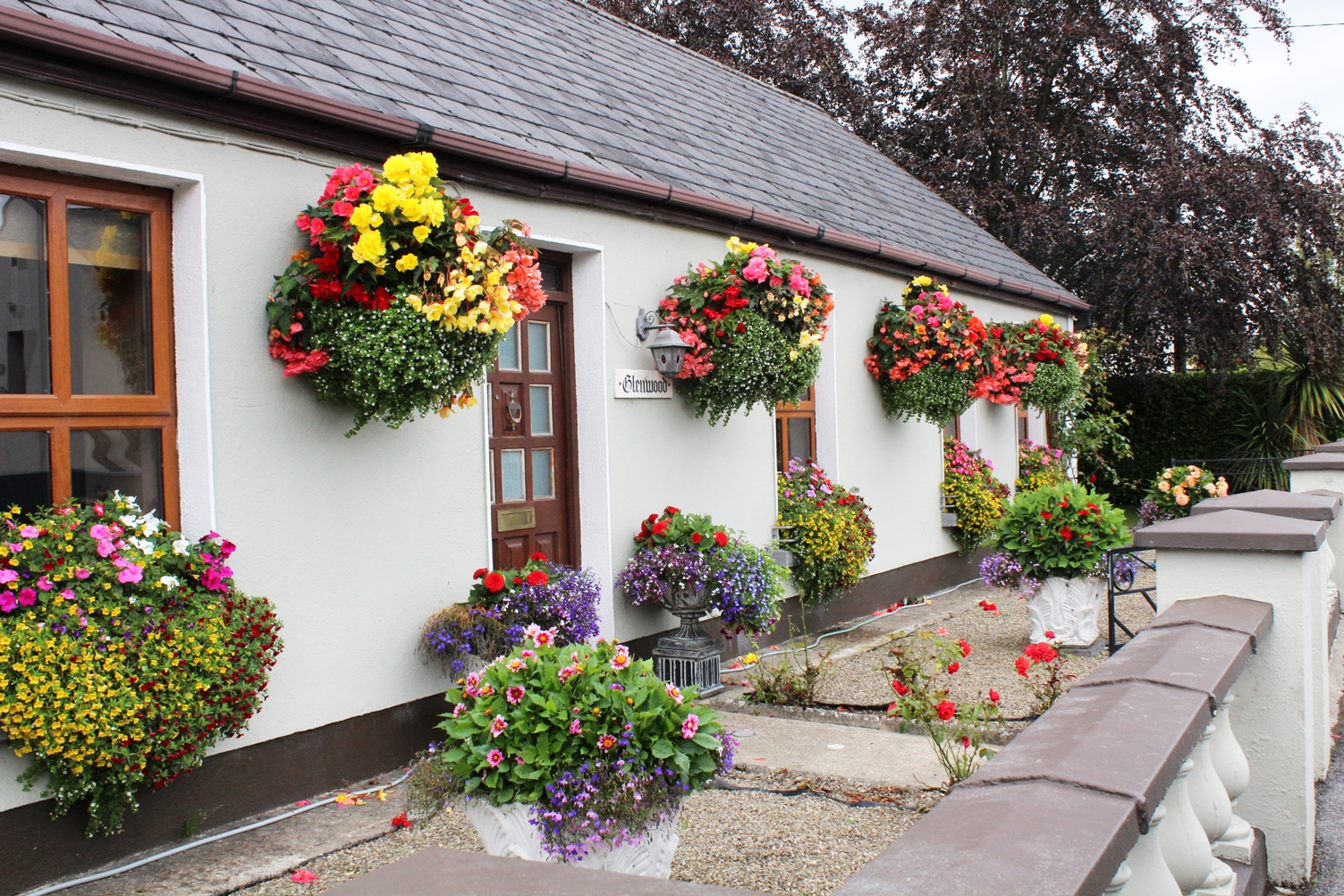
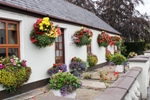
A pleasant home made attractive by wall
flowers. |
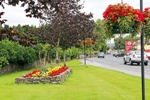
A flower bed. |
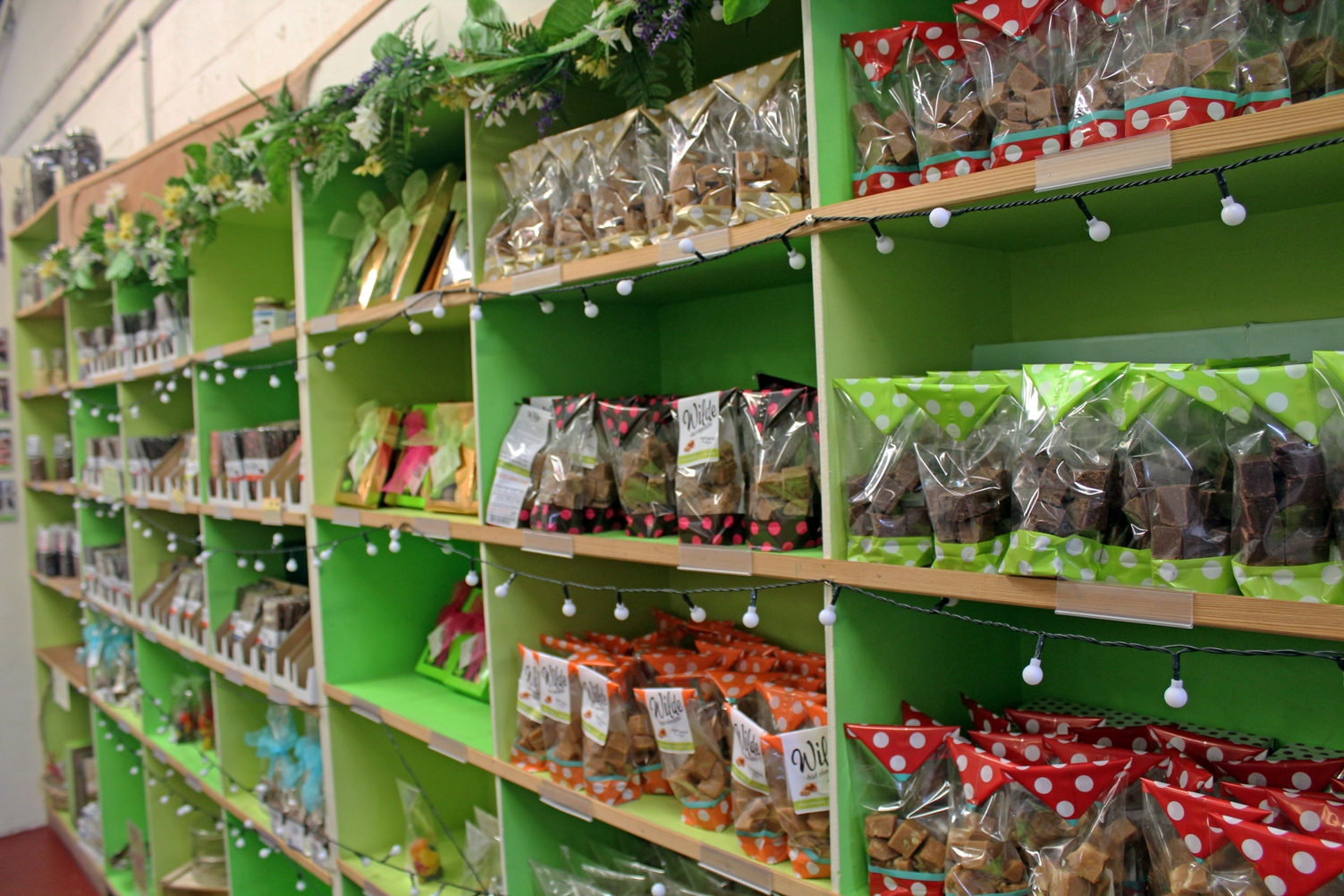
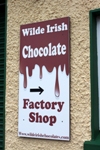
Up the street are a factory for woolen goods
and a chocolate factory. |
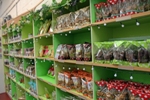
The retail store has various chocolate bars at 50, 70, and 80% cacao,
some with chili, others with nuts, and one with seaweed and lime. |
|
|
 |
 |
 |
 |
 |
 |
|
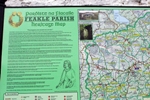
Map and history of Feakle Village/Parish. |
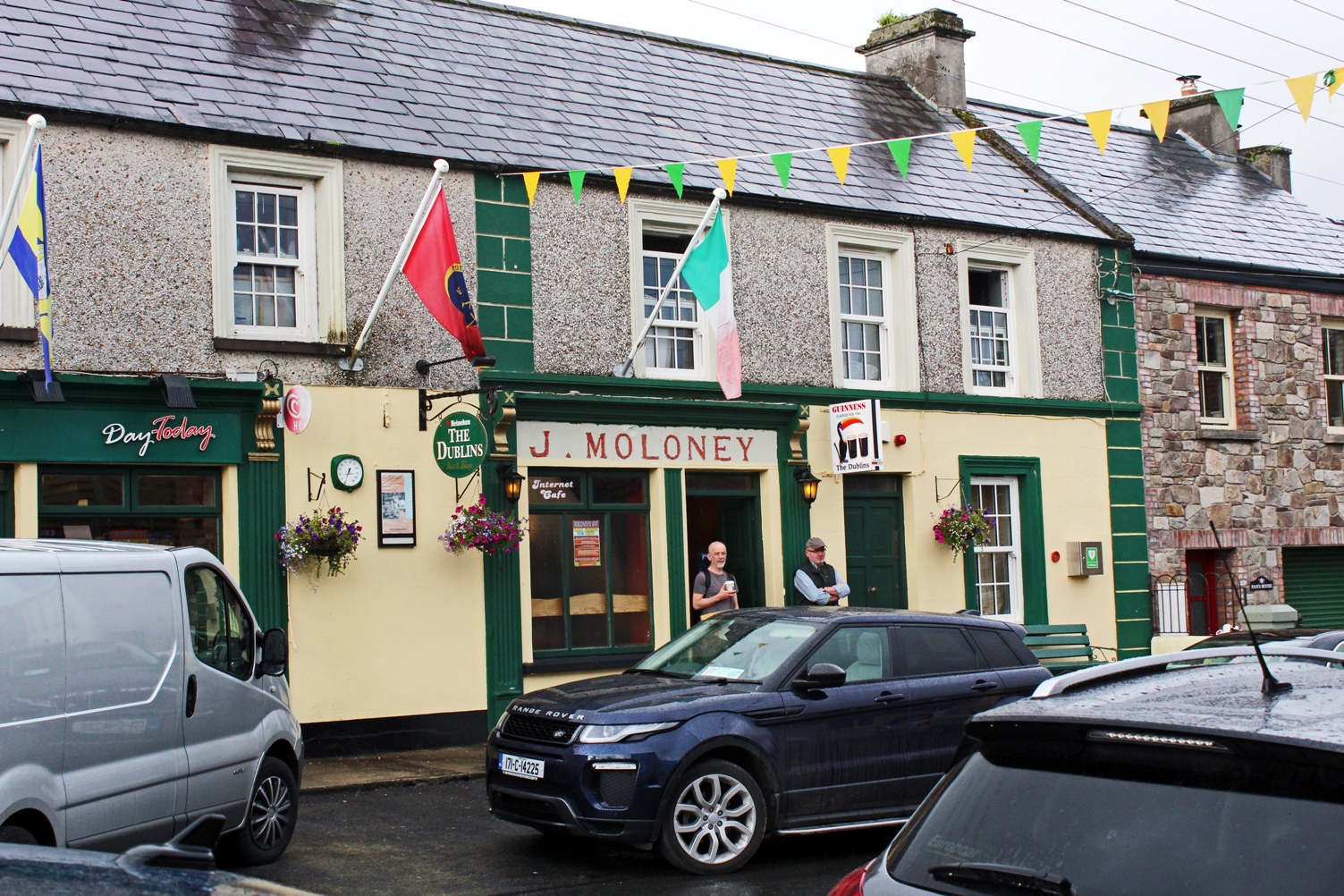
One of the bars, Maloney's. |
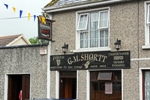
G. M Short, a smaller bar but established in
1803. |
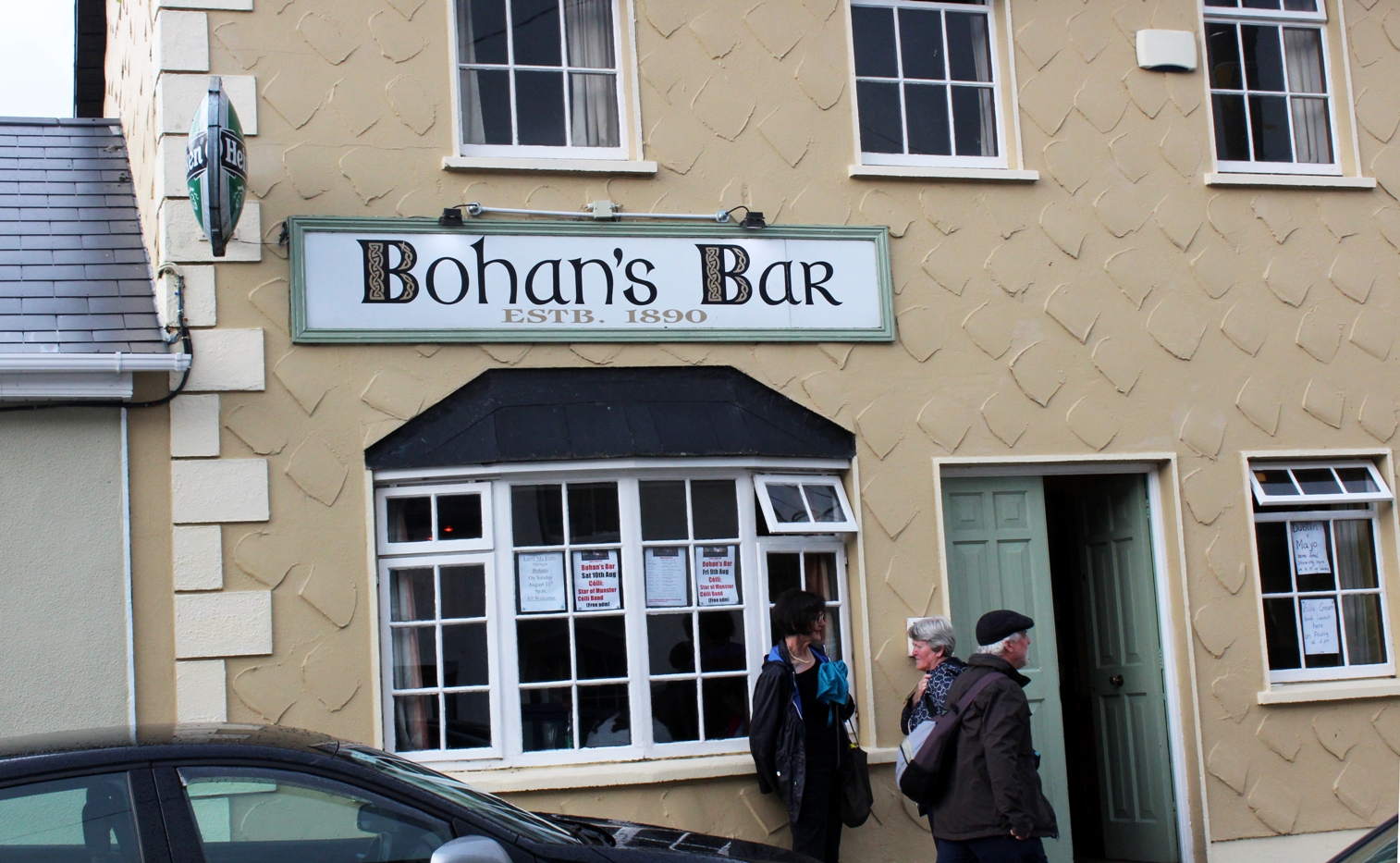
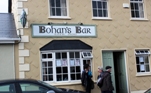
Bohan's bar is one of the popular spots; it held Céilí late at night. |
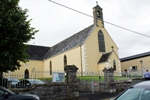
St. Mary's church with sufficient
capacity for the Friday night concert. |
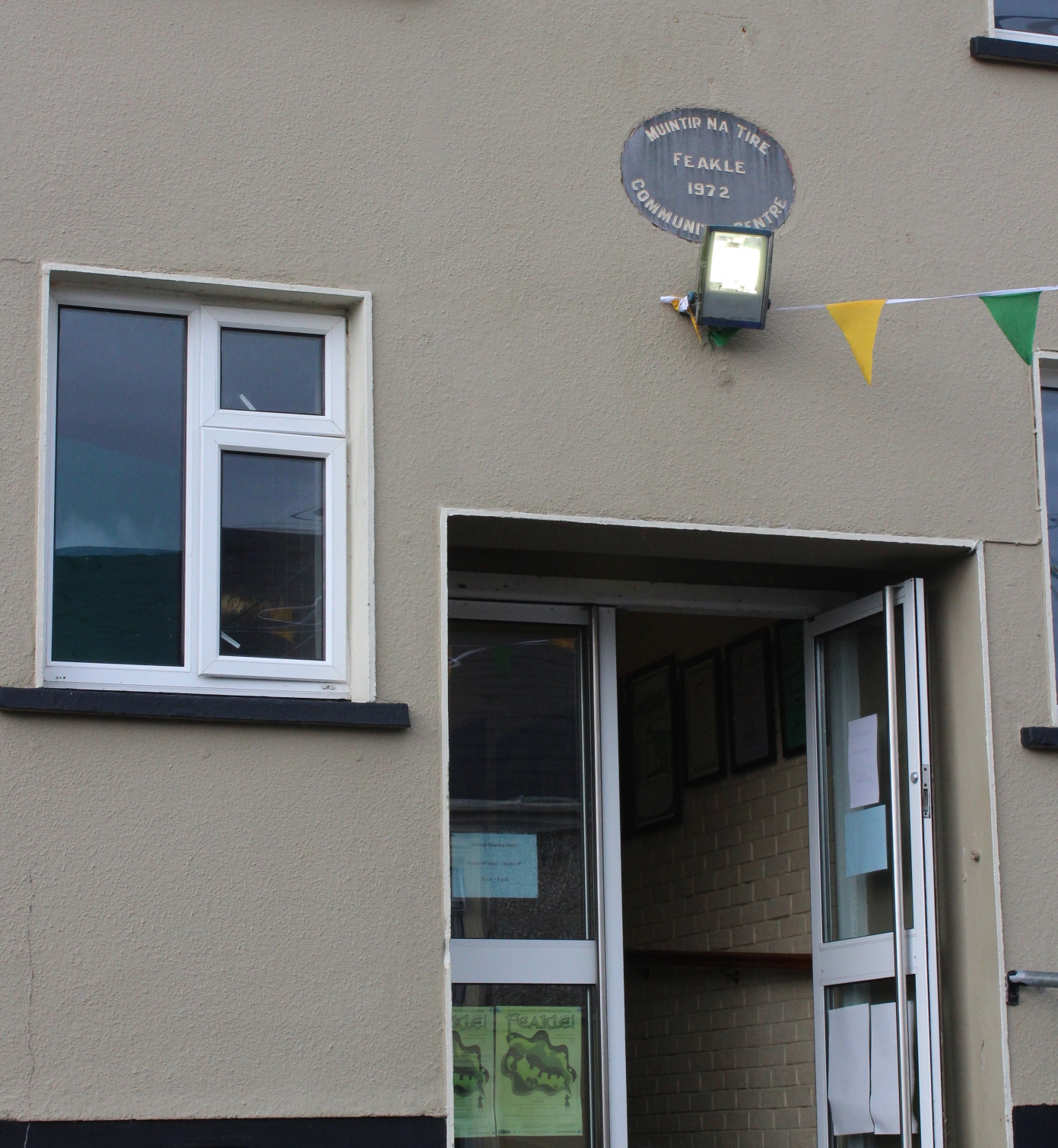
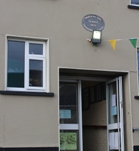
The Community Centre. The Saturday
night concert was held here. |
 |
 |
 |
 |
|
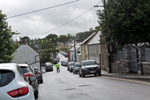
Looking down the village's business section.
|
Just at the entrance of
Feakle is Pepper's, the large, popular locale for the younger crowd. |
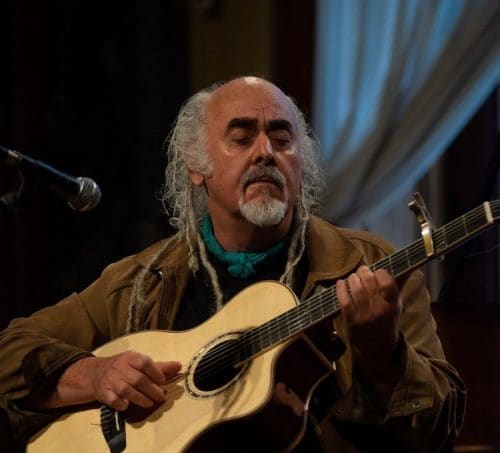
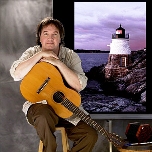
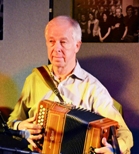
The Friday concert began with a trio,
Garadice, consisting of folksinger Eleanor Shanley; versatile Dave
Sheridan on flute, accordion and piano; Uilleann pipe player Padraig
McGovern, and guitarist John McCartin. |
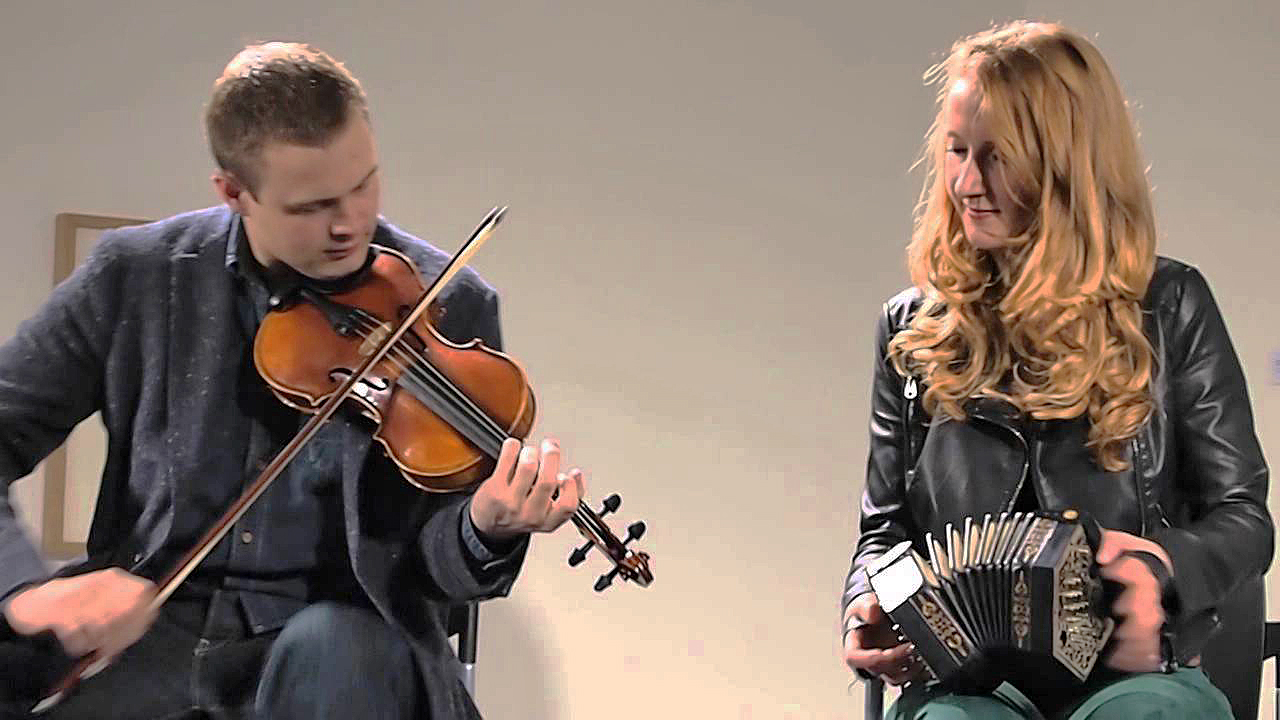
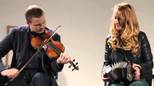
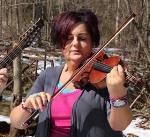
Next appeared Caitlin Nic Gabhann, concertina, and fiddler Ciarán Ó
Maonaigh. Caitlin also danced, with the famous Irish rigid body and foot
work.
|
|
|
|
 |
 |
 |
|
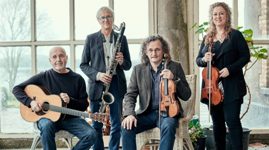
The previous musicians were wonderful and the audience grooved on the
spirit and energy of the reels and melodies. The main attraction
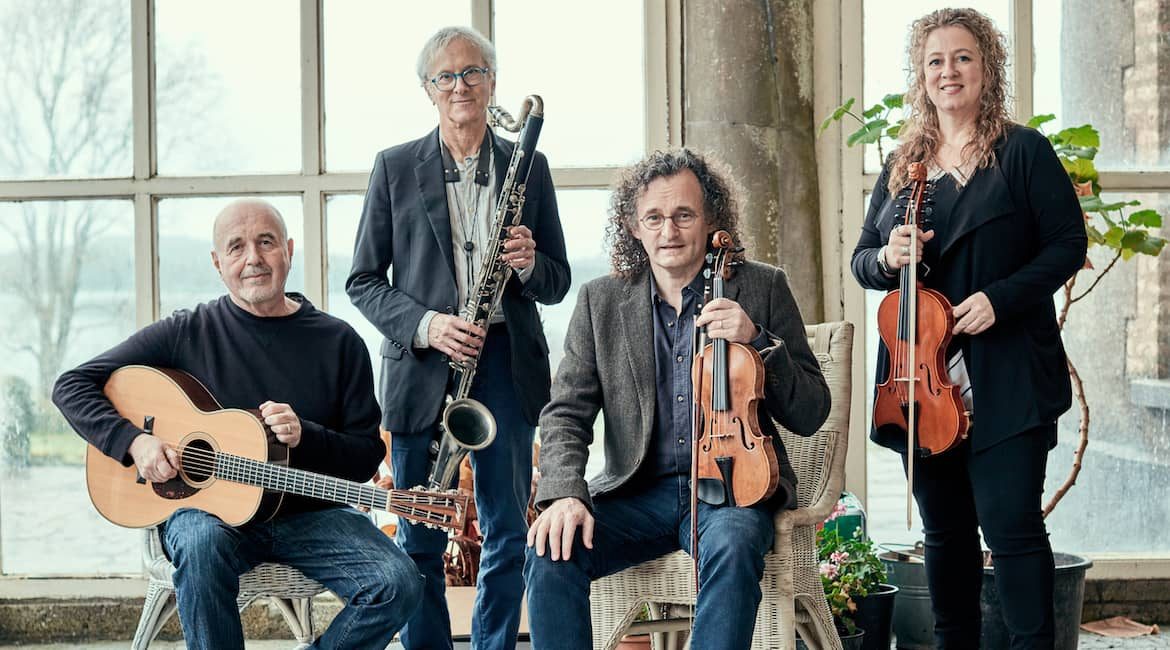
of the evening and indeed Festival was fiddler Martin Hayes and his new
quartet, including his usual guitarist partner Dennis Cahill, violist
Liz Knowles, and bass clarinetist Doug Wiselman, the latter two based in
New York. The group did not disappoint. Their modern interpretations of
reels had classical and free jazz development; a slow increase in
intensity with the bass timbre of clarinet drove the audience wild with
excitement.
I had obtained and reviewed and praised
their album, The Blue Room. Seeing and hearing them live added new
appreciation. At Clareville House stayed a young fiddler from Clayton,
Georgia, who came to Feakle to attend a workshop with Hayes and attend
the concerts. Certainly the highlight of the Festival was the Quartet;
however, the following evening's Gala Concert also provided remarkable
music. and dance, we agreed.
|
|
The evening's acts varied in quality, each
in turn improving performance and musicianship and thereby audience
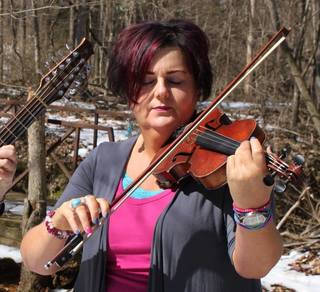
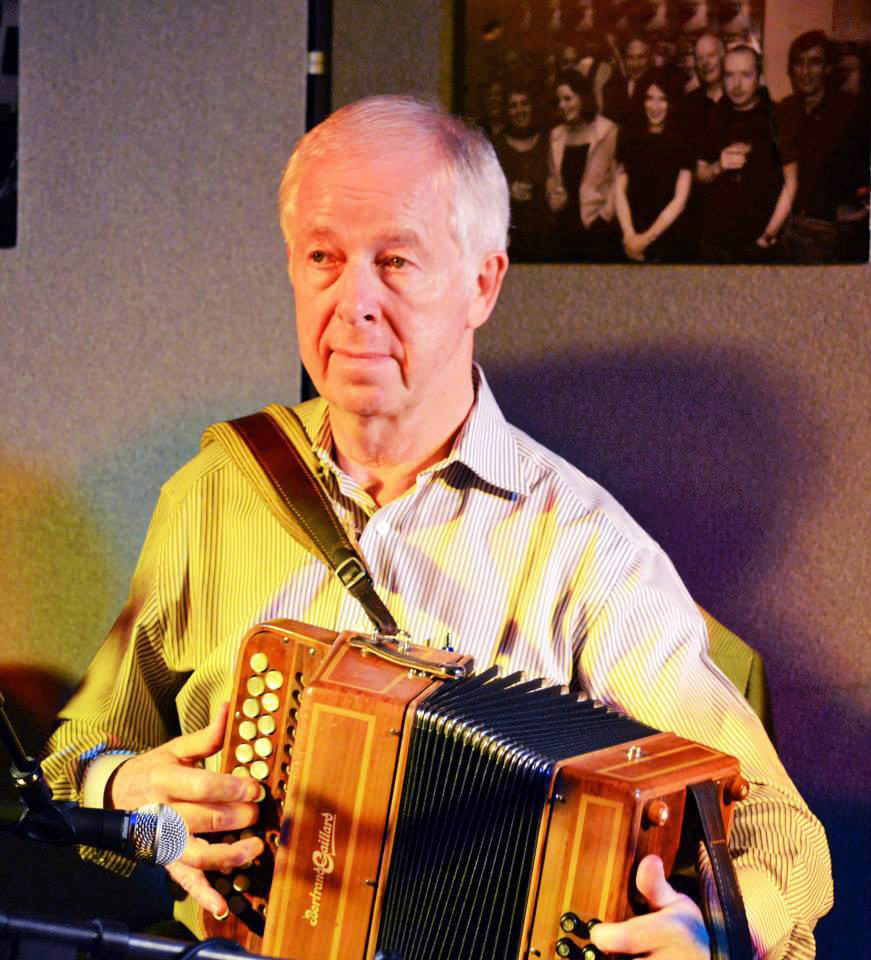
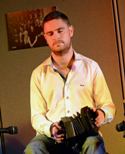
response. It began with violinist and biographer Éilis Crean, a student
of Eddie Kelly, accordionist John Regan, and guitarist John Mock. I
personally was not impressed with the violin technique and style. |
 |
 |
 |
 |
 |
 |
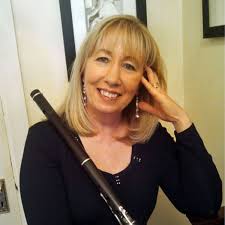
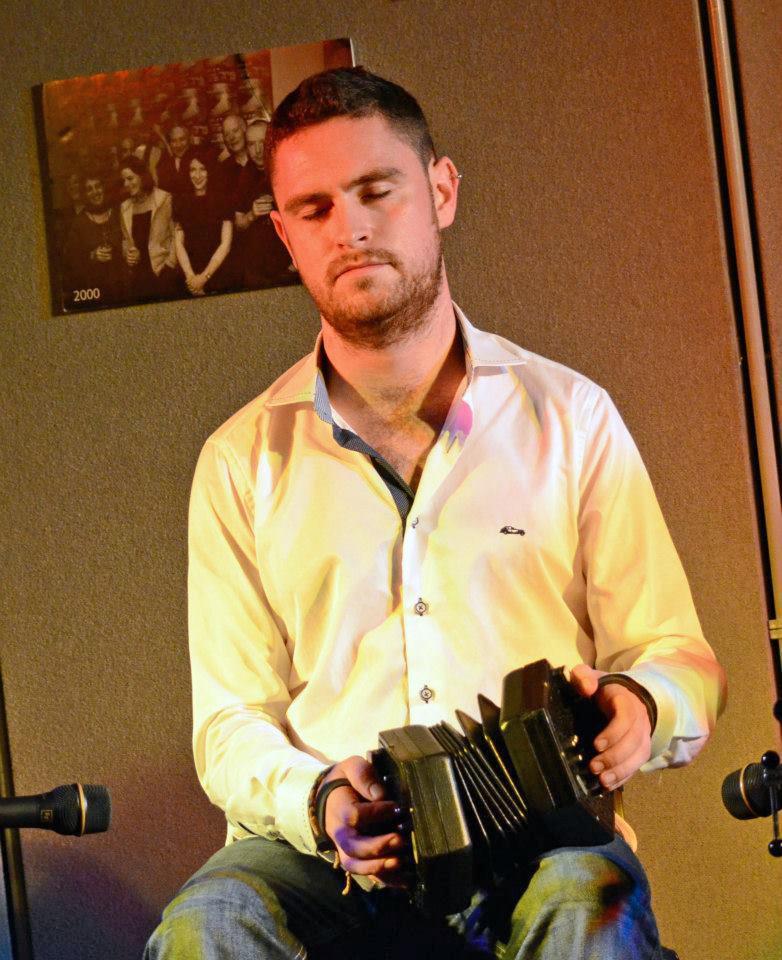
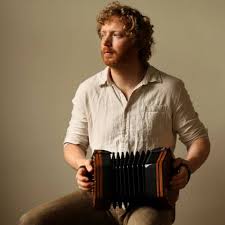
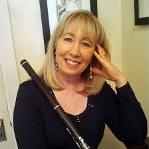
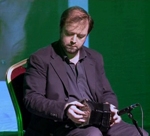
Next was the flute of Catherine McEvoy, the concertina of Mícheál Ó
Raghallaigh, and the keyboard of Jack Talty. Hearing the lyricism and
articulation of reels, a hornpipe, and ballads on the keyless, wooden,
Irish concert flute was a surprise. |
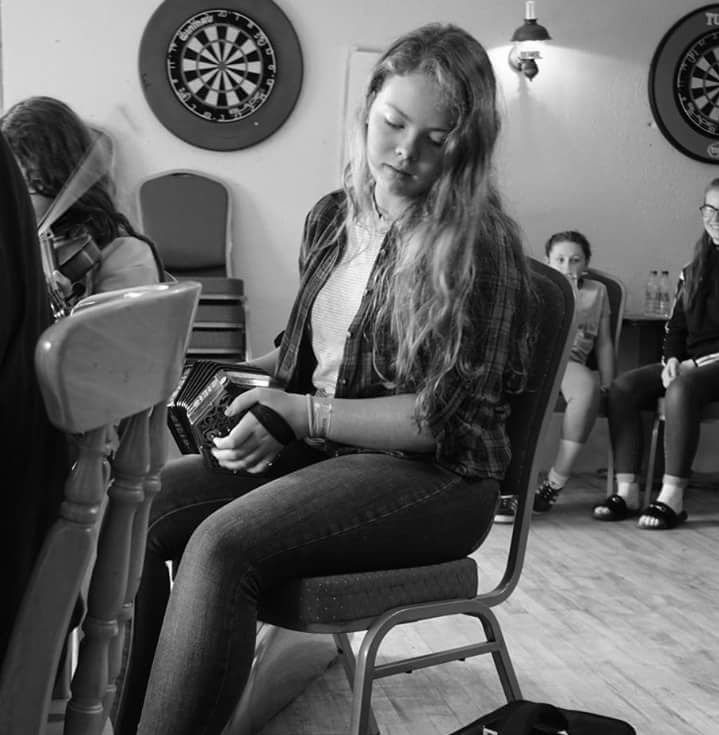
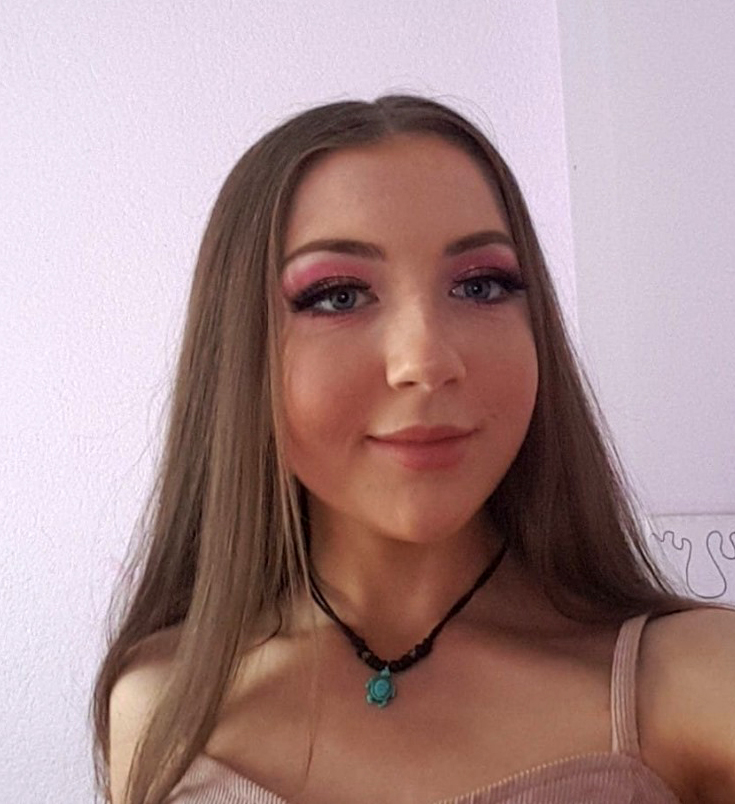
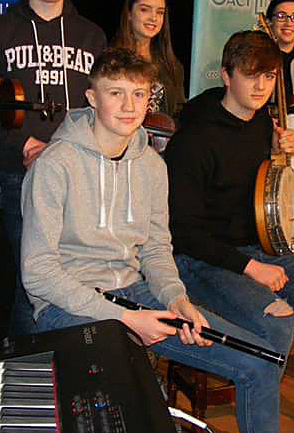
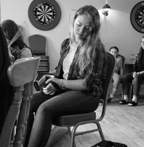
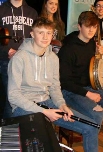
Lily O'Connor playing concertina and Eve O'Connor at the Irish harp was
joined by Caoilte Morrison on flute. They are so young that professional
photographs are not readily available but I managed to find them on
their personal facebook pages. Despite their obvious youth and
inexperience, they are talented. One harp ballad was so sensitively and
beautifully played that I teared in aesthetic bliss. Eve got up and
danced during one fast reel. |
 |
 |
|
|
|
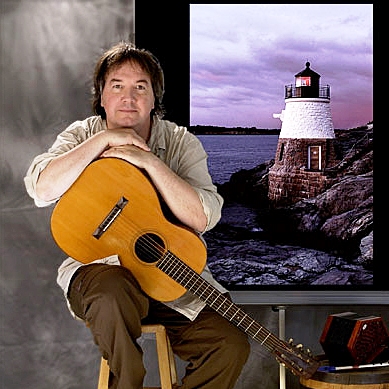
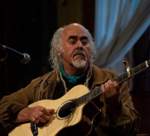
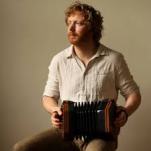
The concluding group was Cormac Begley,
concertina master, and Steve Cooney, guitarist and PVC digeridoo
player. The above photo shows the unique bass concertina, which has 3
octave range via levers. Begley also played treble and other concertina
registers. They were highly entertaining, and the audience demanded
encores. |
|
|
|
|
|
|
|
|
|
Return to Index |
On to Galway |